APIs & interfaces that hold up.
Clean APIs are the backbone of connected systems. We build them versioned, documented and robust — with auth, rate limiting and monitoring instead of a throwaway script. Typical projects from 8.000 €.
Interfaces you can maintain.
An API isn't a throwaway script, it's a contract. We build it so other teams can understand and use it — versioned, documented and secured.
- REST APIs in Go, versioned & documented
- Auth (JWT/OAuth), rate limiting, clear error formats
- Webhooks with signature & idempotency
- Integration with ERP, CRM, payment, third parties
- Monitoring & retry — failures get noticed, not missed
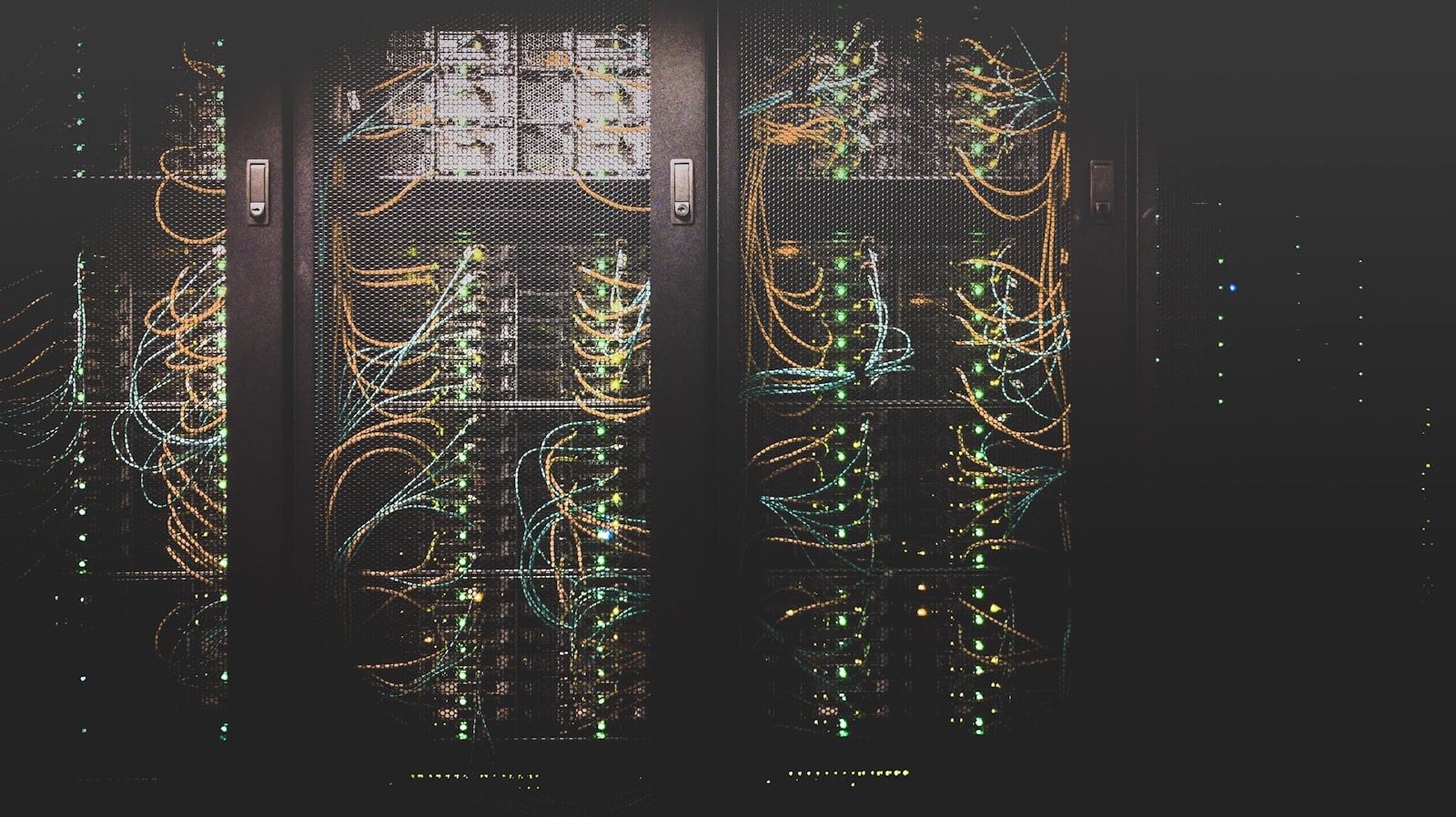
A clean API vs. a hacked-together script.
A hacked script runs — until it fails at night and nobody knows why.
Typical projects.
Common questions about API.
01What does API development cost?
It depends on scope and the number of interfaces. We work audit-first and estimate the effort honestly in the first call — fixed price per sprint.
02Do you connect systems without an official API?
Yes. Where no API exists, we build a clean intermediate layer (file/SFTP, DB, browser automation as a last resort) — robust and with clear boundaries.
03How do you document the API?
With OpenAPI/Swagger and clear examples so other teams can connect without back-and-forth. Versioning is part of it.
04How do you secure the API?
Auth (JWT/OAuth), rate limiting, signature checks on webhooks, idempotency and monitoring — so abuse and outages get noticed.
What might still hold you back.
01Will it work with our existing or legacy systems?
Usually yes. We build adapters for older or poorly documented systems too and wrap away their quirks instead of touching your existing setup. If something truly won't work, we say so early.
02How do we know the API will hold under load and over years?
Built versioned, documented, with rate limiting, monitoring and tests — the same discipline this platform runs on. Breaking changes arrive versioned, never overnight.
03What if a third-party API changes?
We wrap third parties behind our own layer — if something changes there, we swap an adapter, not half your system. Monitoring flags outages before your customers notice.
04You're a single founder — what if you're unavailable?
Standard stack, documented and tested interfaces, repository with you — any competent developer can take over. You're never chained to one person.